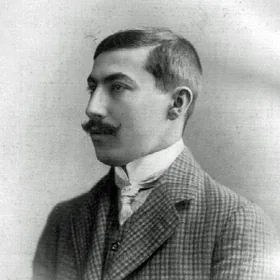
Akiba Rubinstein
Greatest Endgame Virtuoso of His Era · Winner of St. Petersburg 1909 & San Sebastián 1912
Widely considered the strongest player never to contest a World Championship match (prevented by World War I), Akiba Rubinstein won five consecutive major international tournaments in 1912, created the unforgettable 1907 Rubinstein’s Immortal, and set the eternal benchmark for rook endgame technique.
Portrait: Archival Portrait · Wikimedia Commons
Interactive Demonstration
Rubinstein's Immortal (1907)
Gersz Rotlewi vs. Akiba Rubinstein · Łódź Tournament, Poland · ECO D32 (0-1)
Strategic Portrait
Playing Style & Contribution
Sublime rook-endgame artistry, seamless opening-to-endgame strategy, and crystalline logic.
Verified Career Milestones
- 1907: Created Rubinstein’s Immortal against Rotlewi in Łódź.
- 1909: Tied for first with World Champion Lasker at St. Petersburg, defeating Lasker head-to-head.
- 1912: Swept five international tournaments in a single calendar year.
Practical Application
Lessons You Can Apply Today
- Connect your opening choice directly to the endgame pawn structure you want to play.
- Activate your rooks early in every endgame - passive rooks lose even with equal pawns.
- Look for hidden diagonal batteries (like Bb6+ and Bb7 in Rubinstein’s Immortal) aimed at the castled king.
Essential Reading
Rubinstein's Chess Masterpieces - Hans Kmoch (1941)
Dover Publications · ISBN 0486206173
Purchase Book on AmazonSignature Openings Studied by Akiba Rubinstein
Contemporaries & Era Peers
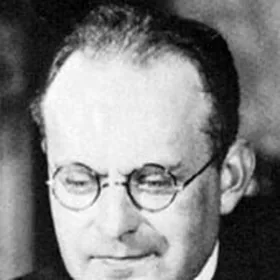
Aron Nimzowitsch
Blockade, prophylaxis, overprotection, and controlling the center with pieces from the flanks.
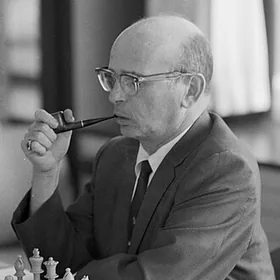
Samuel Reshevsky
Tenacious positional grit, extraordinary calculation under time pressure, and endgame steel.
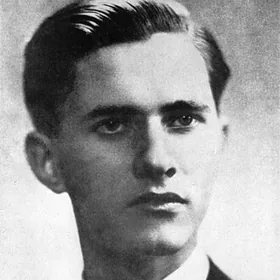
Paul Keres
Effortless classical elegance, lethal tactical clarity, and exemplary sportsmanship.