Caro-Kann Defense
1. e4 c6 2. d4 d5 3. Nc3 dxe4 4. Nxe4
A refined, structurally sound defense that supports d5 with the c-pawn so Black's light-squared bishop develops freely outside the pawn chain.
Interactive Demonstration
B12 · Caro-Kann Defense
Origin: Analyzed in 1886 by Horatio Caro (England) and Marcus Kann (Austria)
White’s Compass
White’s Strategic Plan
Use a lead in space and development to challenge Black's king before the endgame arrives.
Principal Named Variations
- Classical Capablanca Variation (4...Bf5)
- Advance Variation (3. e5 Bf5)
- Exchange & Panov-Botvinnik Attack (4. c4)
- Two Knights Attack (2. Nc3 / 3. Nf3)
Black’s Counterplay
Black’s Strategic Plan
Develop the light-squared bishop to f5 or g4, trade off White's active pieces, and reach a superior endgame pawn structure.
Common Traps & Mistakes to Avoid
- Allowing White’s h4–h5 push to trap the f5-bishop before creating a retreat square with ...h6.
- Playing ...e6 before developing the c8-bishop, turning a healthy Caro-Kann into a passive French.
Professor’s Move-by-Move Walkthrough
Why Every Move Is Played (B12)
- 1. e4 - 1. e4 claims central space immediately and frees both White’s queen and light-squared bishop.
- 1... c6 - 1... c6 prepares to support d5 solidly while keeping Black’s light-squared bishop unobstructed.
- 2. d4 - 2. d4 advances the Caro-Kann Defense blueprint, harmonizing piece activity around the key e4 square.
- 2... d5 - 2... d5 strikes directly at the center, refusing to let the opponent build an unchallenged pawn duo.
- 3. Nc3 - 3. Nc3 brings the queenside knight into active battle over the central d4/e5 complex.
- 3... dxe4 - 3... dxe4 resolves central tension by capturing, opening key files and diagonals for active piece play.
- 4. Nxe4 - 4. Nxe4 resolves central tension by capturing, opening key files and diagonals for active piece play.
Historical Provenance & Grandmaster Practitioners
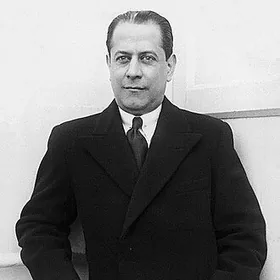
Origins & Famous Exponents
Analyzed in 1886 by Horatio Caro (England) and Marcus Kann (Austria)



Verified Repertoire Reference
Play the Caro-Kann - IM Jovanka Houska
Everyman Chess · ISBN 1857444345
Purchase Book on AmazonVerified Historic Master Games in the Caro-Kann Defense
The Magician from Riga at Full Flight
Mikhail Tal vs. Vasily Smyslov
Deep Blue vs. Kasparov - Historic Turning Point
Deep Blue (IBM) vs. Garry Kasparov
Kosteniuk vs. Cramling - Nalchik Semi-Final
Alexandra Kosteniuk vs. Pia Cramling
Jovanka Houska vs. Jon Speelman - Staunton Memorial
Jovanka Houska vs. Jonathan Speelman
Related Intermediate Openings
Ruy Lopez (Spanish Opening)
e4 e5 Nf3 Nc6 Bb5 a6 Ba4 Nf6 O-O
King's Gambit
e4 e5 f4 exf4 Nf3
Sicilian Defense (Najdorf Variation)
e4 c5 Nf3 d6 d4 cxd4 Nxd4 Nf6 Nc3 a6