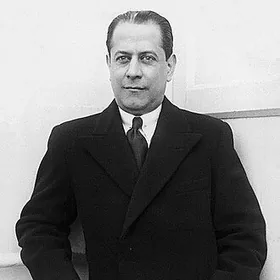
José Raúl Capablanca
3rd World Chess Champion (1921–1927)
Celebrated as 'The Human Chess Machine,' Capablanca defeated Emanuel Lasker without a single loss in Havana (1921) and went eight consecutive years (1916–1924) undefeated in tournament play. His 1921 primer 'Chess Fundamentals' remains the gold standard for players learning clear endgames and disciplined classical technique.
Portrait: AnonymousUnknown author (Keystone-France) · Public domain
Interactive Demonstration
Birth of the Marshall Attack (1918)
José Raúl Capablanca vs. Frank James Marshall · Manhattan Chess Club, New York · ECO C89 (1-0)
Strategic Portrait
Playing Style & Contribution
Effortless positional clarity, tactical accuracy, and peerless endgame simplicity.
Verified Career Milestones
- 1918: Refuted Frank Marshall's secret Marshall Attack over the board in New York.
- 1921: Won the World Chess Championship undefeated (+4 -0 =10) against Lasker.
- 1922: Swept the London International Tournament undefeated (+11 -0 =4).
Practical Application
Lessons You Can Apply Today
- Study endgames first: knowing which endings win guides every middlegame exchange.
- Simplify cleanly when ahead in material rather than inviting unnecessary complications.
- Keep your rooks and king active in every endgame - passivity is fatal.
Essential Reading
Chess Fundamentals - José Raúl Capablanca (1921)
Everyman Chess · ISBN 1857440730
Purchase Book on AmazonSignature Openings Studied by José Raúl Capablanca
Contemporaries & Era Peers
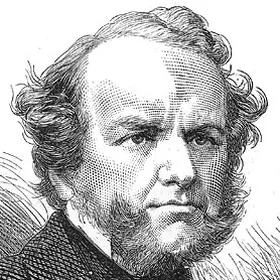
Howard Staunton
Solid positional planning, flank control with 1. c4, and foundational English opening scholarship.
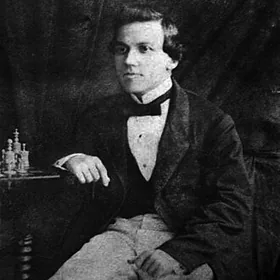
Paul Morphy
Rapid piece development, open central files, and decisive sacrifices against uncastled kings.
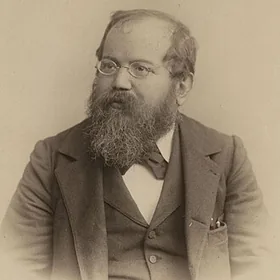
Wilhelm Steinitz
Architect of modern positional theory: small advantages, sound pawn structure, and resilient defense.