Ruy Lopez (Berlin Defense)
1. e4 e5 2. Nf3 Nc6 3. Bb5 Nf6 4. O-O Nxe4 5. d4 Nd6 6. Bxc6 dxc6 7. dxe5 Nf5 8. Qxd8+ Kxd8
Chess's ultimate strategic fortress: Black accepts a stripped king and doubled c-pawns in exchange for the bishop pair and an almost impenetrable queenless endgame.
Interactive Demonstration
C65 · Ruy Lopez (Berlin Defense)
Origin: Analyzed by the 19th-century Berlin Pleiades and famously revived by Vladimir Kramnik to dethrone Garry Kasparov in London 2000
White’s Compass
White’s Strategic Plan
Exploit the healthy four-on-three kingside pawn majority to create a passed e- or f-pawn while restricting Black's bishop pair.
Principal Named Variations
- Berlin Endgame (8...Kxd8)
- Anti-Berlin (4. d3)
- Rio de Janeiro Variation (5...Be7)
- 5. Re1 Nd6 6. Nxe5
Black’s Counterplay
Black’s Strategic Plan
Activate the king safely to e8, coordinate both bishops across open diagonals, and neutralize White's kingside pawns.
Common Traps & Mistakes to Avoid
- Trading pieces carelessly as White without mobilizing the 4-on-3 kingside pawn majority.
- Leaving Black’s king exposed in the center instead of tucking it smoothly via ...Ke8 and ...h6.
Professor’s Move-by-Move Walkthrough
Why Every Move Is Played (C65)
- 1. e4 - 1. e4 claims central space immediately and frees both White’s queen and light-squared bishop.
- 1... e5 - 1... e5 contests the center head-on, staking an equal claim to central space.
- 2. Nf3 - 2. Nf3 develops the kingside knight to its ideal central post, guarding key central squares and preparing castling.
- 2... Nc6 - 2... Nc6 brings the queenside knight into active battle over the central d4/e5 complex.
- 3. Bb5 - 3. Bb5 applies classic Spanish pressure to the c6-knight defending e5.
- 3... Nf6 - 3... Nf6 develops the kingside knight to its ideal central post, guarding key central squares and preparing castling.
- 4. O-O - 4. O-O safeguards the White king and brings the rook swiftly toward the central files.
- 4... Nxe4 - 4... Nxe4 resolves central tension by capturing, opening key files and diagonals for active piece play.
- 5. d4 - 5. d4 advances the Ruy Lopez (Berlin Defense) blueprint, harmonizing piece activity around the key e5 square.
- 5... Nd6 - 5... Nd6 advances the Ruy Lopez (Berlin Defense) blueprint, harmonizing piece activity around the key e5 square.
- 6. Bxc6 - 6. Bxc6 resolves central tension by capturing, opening key files and diagonals for active piece play.
- 6... dxc6 - 6... dxc6 resolves central tension by capturing, opening key files and diagonals for active piece play.
- 7. dxe5 - 7. dxe5 resolves central tension by capturing, opening key files and diagonals for active piece play.
- 7... Nf5 - 7... Nf5 advances the Ruy Lopez (Berlin Defense) blueprint, harmonizing piece activity around the key e5 square.
- 8. Qxd8+ - 8. Qxd8+ resolves central tension by capturing, opening key files and diagonals for active piece play.
- 8... Kxd8 - 8... Kxd8 resolves central tension by capturing, opening key files and diagonals for active piece play.
Historical Provenance & Grandmaster Practitioners
Origins & Famous Exponents
Analyzed by the 19th-century Berlin Pleiades and famously revived by Vladimir Kramnik to dethrone Garry Kasparov in London 2000

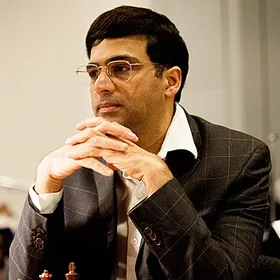


Verified Repertoire Reference
The Ruy Lopez: Move by Move - GM Neil McDonald
Everyman Chess · ISBN 1857446690
Purchase Book on AmazonVerified Historic Master Games in the Ruy Lopez (Berlin Defense)
Birth of the Marshall Attack
José Raúl Capablanca vs. Frank James Marshall
Judit Polgár Defeats Garry Kasparov
Judit Polgár vs. Garry Kasparov
Karpov's Immortal 24. Ba7!! Prophylaxis
Anatoly Karpov vs. Wolfgang Unzicker
World Championship Havana 1892 (Game 4)
Wilhelm Steinitz vs. Mikhail Chigorin
Related Advanced Openings
Nimzo-Indian Defense
d4 Nf6 c4 e6 Nc3 Bb4
Grünfeld Defense
d4 Nf6 c4 g6 Nc3 d5 cxd5 Nxd5 e4 Nxc3 bxc3 Bg7
Semi-Slav Defense
d4 d5 c4 c6 Nf3 Nf6 Nc3 e6