Grünfeld Defense
1. d4 Nf6 2. c4 g6 3. Nc3 d5 4. cxd5 Nxd5 5. e4 Nxc3 6. bxc3 Bg7
Black concedes a colossal white pawn center only to place it under immediate crossfire from the g7-bishop, c5 break, and queenside pressure.
Interactive Demonstration
D80 · Grünfeld Defense
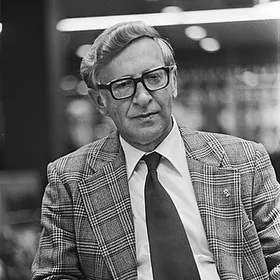
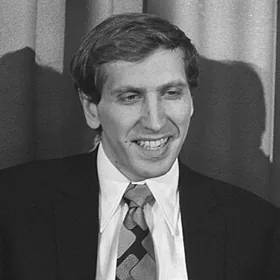
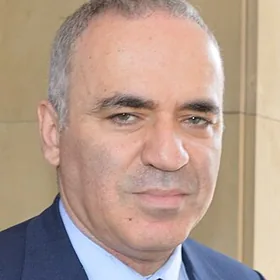
Origin: Introduced by Ernst Grünfeld in 1922; weapon of choice for Fischer, Kasparov, and Maia Chiburdanidze
White’s Compass
White’s Strategic Plan
Consolidate the d4-e4 center with Nf3 and Be3, then advance d5 to suffocate Black's queenside before counterplay erupts.
Principal Named Variations
- Exchange Variation (4. cxd5 Nxd5 5. e4)
- Russian System (4. Nf3 Bg7 5. Qb3)
- Fianchetto Variation (3. g3)
- Bf4 Classical System
Black’s Counterplay
Black’s Strategic Plan
Attack d4 relentlessly with c5, Nc6, Qa5, and Bg4, seeking a winning outside passed a-pawn in the endgame.
Common Traps & Mistakes to Avoid
- Allowing White’s central d4–e4 pawns to advance cleanly to d5 without applying ...c5 and ...Qa5 pressure.
- Forgetting that Black’s queenside pawn majority becomes lethal if White trades recklessly into an endgame.
Professor’s Move-by-Move Walkthrough
Why Every Move Is Played (D80)
- 1. d4 - 1. d4 stakes a protected central pawn on d4, guarded directly by the queen, and opens the dark-squared bishop’s diagonal.
- 1... Nf6 - 1... Nf6 develops the kingside knight to its ideal central post, guarding key central squares and preparing castling.
- 2. c4 - 2. c4 attacks Black’s central d5 outpost from the flank to expand White’s central influence.
- 2... g6 - 2... g6 prepares the kingside fianchetto so the bishop will exert pressure across the entire central diagonal.
- 3. Nc3 - 3. Nc3 brings the queenside knight into active battle over the central d4/e5 complex.
- 3... d5 - 3... d5 strikes directly at the center, refusing to let the opponent build an unchallenged pawn duo.
- 4. cxd5 - 4. cxd5 resolves central tension by capturing, opening key files and diagonals for active piece play.
- 4... Nxd5 - 4... Nxd5 resolves central tension by capturing, opening key files and diagonals for active piece play.
- 5. e4 - 5. e4 advances the Grünfeld Defense blueprint, harmonizing piece activity around the key d4 square.
- 5... Nxc3 - 5... Nxc3 resolves central tension by capturing, opening key files and diagonals for active piece play.
- 6. bxc3 - 6. bxc3 resolves central tension by capturing, opening key files and diagonals for active piece play.
- 6... Bg7 - 6... Bg7 completes the kingside fianchetto, turning the bishop into a long-range scalpel down the main diagonal.
Historical Provenance & Grandmaster Practitioners
Origins & Famous Exponents
Introduced by Ernst Grünfeld in 1922; weapon of choice for Fischer, Kasparov, and Maia Chiburdanidze

Verified Repertoire Reference
Fundamental Chess Openings - GM Paul van der Sterren
Gambit Publications · ISBN 1906454132
Purchase Book on AmazonVerified Historic Master Games in the Grünfeld Defense
The Game of the Century
Donald Byrne vs. Bobby Fischer
London 2000 - Classical Structural Mastery
Vladimir Kramnik vs. Garry Kasparov
Vera Menchik Defeats Future World Champion Max Euwe
Vera Menchik vs. Max Euwe
Chiburdanidze’s Double Exchange Sacrifice
Maia Chiburdanidze vs. Vladimir Malaniuk
Related Advanced Openings
Ruy Lopez (Berlin Defense)
e4 e5 Nf3 Nc6 Bb5 Nf6 O-O Nxe4 d4 Nd6 Bxc6 dxc6 dxe5 Nf5 Qxd8+ Kxd8
Nimzo-Indian Defense
d4 Nf6 c4 e6 Nc3 Bb4
Semi-Slav Defense
d4 d5 c4 c6 Nf3 Nf6 Nc3 e6