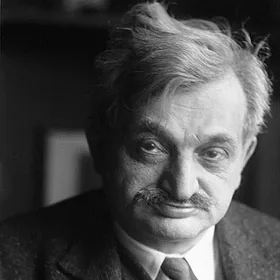
Emanuel Lasker
2nd World Chess Champion (1894–1921 · 27-Year Record Reign)
A Doctor of Mathematics and close friend of Albert Einstein, Emanuel Lasker held the World Chess Championship for an unmatched 27 years. Lasker viewed chess as a rich human contest, famously pioneering the Double Bishop Sacrifice in Amsterdam (1889) and winning landmark tournaments in St. Petersburg (1914) and New York (1924).
Portrait: Unknown authorUnknown author · CC BY-SA 3.0 de
Interactive Demonstration
The Double Bishop Sacrifice (1889)
Emanuel Lasker vs. Johann Hermann Bauer · Amsterdam International Tournament · ECO A03 (1-0)
Strategic Portrait
Playing Style & Contribution
Practical psychology, fighting resilience, sharp tactical calculation, and masterly endgame technique.
Verified Career Milestones
- 1889: Created the iconic Double Bishop Sacrifice against Bauer in Amsterdam.
- 1894: Defeated Wilhelm Steinitz to become the 2nd World Chess Champion.
- 1914 & 1924: First place in the super-tournaments of St. Petersburg and New York ahead of Capablanca and Alekhine.
Practical Application
Lessons You Can Apply Today
- When two bishops point cleanly at a castled king, calculate both Bxh7+ and Bxg7 sacrifices.
- Never resign mentally in a difficult position; create practical problems that test your opponent's nerve.
- Study basic rook and queen endgames - Lasker won dozens of equal positions through superior endgame persistence.
Essential Reading
Lasker's Manual of Chess - Emanuel Lasker (1925)
Dover Publications · ISBN 0486206408
Purchase Book on AmazonSignature Openings Studied by Emanuel Lasker
Contemporaries & Era Peers
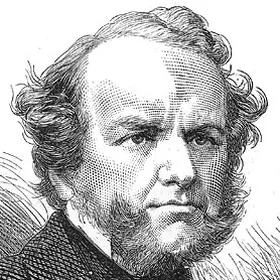
Howard Staunton
Solid positional planning, flank control with 1. c4, and foundational English opening scholarship.
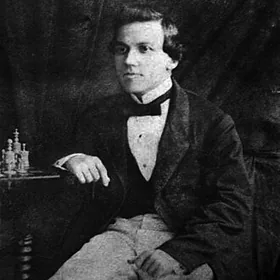
Paul Morphy
Rapid piece development, open central files, and decisive sacrifices against uncastled kings.
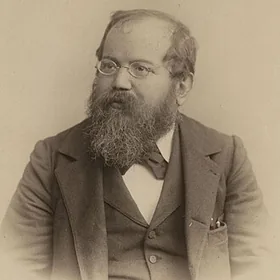
Wilhelm Steinitz
Architect of modern positional theory: small advantages, sound pawn structure, and resilient defense.