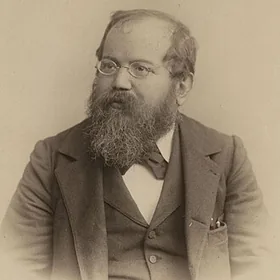
Wilhelm Steinitz
1st Official World Chess Champion (1886–1894)
After winning the inaugural official World Chess Championship match against Johannes Zukertort across New York, St. Louis, and New Orleans in 1886, Steinitz transformed chess from romantic improvisation into a disciplined science. He demonstrated that a winning attack must be earned through positional superiority first, and produced his greatest tactical triumph at Hastings, England in 1895.
Portrait: Schumann, Fritz · Public domain
Interactive Demonstration
The Hastings Immortal (1895)
Wilhelm Steinitz vs. Curt von Bardeleben · Hastings International Tournament (United Kingdom) · ECO C54 (1-0)
Strategic Portrait
Playing Style & Contribution
Architect of modern positional theory: small advantages, sound pawn structure, and resilient defense.
Verified Career Milestones
- 1866: Defeated Adolf Anderssen in London (+8 -6 =0).
- 1886: Crowned 1st Official World Chess Champion against Johannes Zukertort.
- 1895: Won the First Brilliancy Prize at Hastings, England against Curt von Bardeleben.
Practical Application
Lessons You Can Apply Today
- Accumulate small, permanent advantages, such as the bishop pair or a strong central outpost, before attacking.
- Defend sound positions with calm accuracy rather than panicking against premature attacks.
- Use pawn sacrifices purposefully to clear key central squares for your knights and rooks.
Essential Reading
The Modern Chess Instructor - Wilhelm Steinitz (1889)
Edition Olms · ISBN 3283001111
Purchase Book on AmazonSignature Openings Studied by Wilhelm Steinitz
Contemporaries & Era Peers
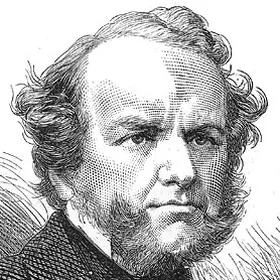
Howard Staunton
Solid positional planning, flank control with 1. c4, and foundational English opening scholarship.
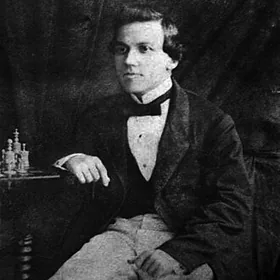
Paul Morphy
Rapid piece development, open central files, and decisive sacrifices against uncastled kings.
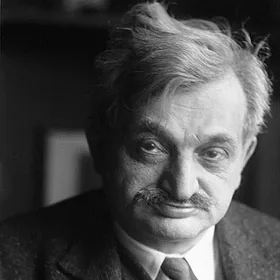
Emanuel Lasker
Practical psychology, fighting resilience, sharp tactical calculation, and masterly endgame technique.