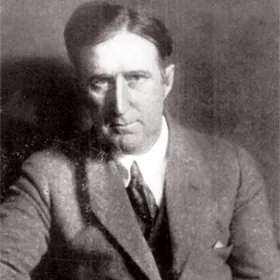
Frank James Marshall
US Chess Champion for 27 Years (1909–1936) · Founder of the Marshall Chess Club
Dominant figure of American chess for three decades, Frank Marshall won Cambridge Springs 1904 ahead of World Champion Emanuel Lasker, founded Manhattan’s historic Marshall Chess Club (1915), and unveiled the famous Marshall Attack (8...d5!) in the Ruy Lopez against Capablanca in 1918.
Portrait: Archival Portrait · Wikimedia Commons
Interactive Demonstration
Birth of the Marshall Attack (1918)
José Raúl Capablanca vs. Frank James Marshall · Manhattan Chess Club, New York · ECO C89 (1-0)
Strategic Portrait
Playing Style & Contribution
Swashbuckling tactical traps, fearless gambits, and creator of the Marshall Attack.
Verified Career Milestones
- 1904: Won Cambridge Springs undefeated (+11 -0 =4) ahead of Emanuel Lasker.
- 1909–1936: Held the United States Chess Championship for 27 consecutive years.
- 1918: Debuted the Marshall Attack in the Ruy Lopez against José Raúl Capablanca.
Practical Application
Lessons You Can Apply Today
- Learn the tactical swindle: even in difficult endings, keep looking for hidden forks and back-rank traps.
- Use well-prepared opening gambits purposefully to seize open files and attacking momentum.
- Respect local chess clubs - great chess communities build great players.
Essential Reading
Marshall's Best Games of Chess - Frank J. Marshall (1942)
Read Books · ISBN 1447472519
Purchase Book on AmazonSignature Openings Studied by Frank James Marshall
Contemporaries & Era Peers
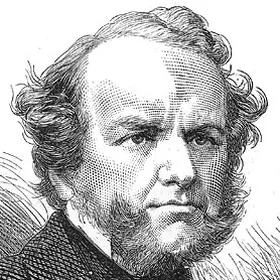
Howard Staunton
Solid positional planning, flank control with 1. c4, and foundational English opening scholarship.
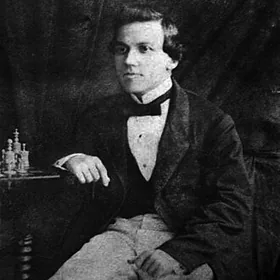
Paul Morphy
Rapid piece development, open central files, and decisive sacrifices against uncastled kings.
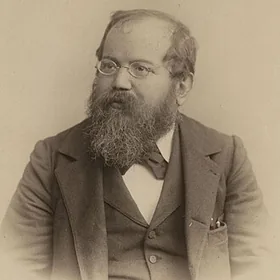
Wilhelm Steinitz
Architect of modern positional theory: small advantages, sound pawn structure, and resilient defense.