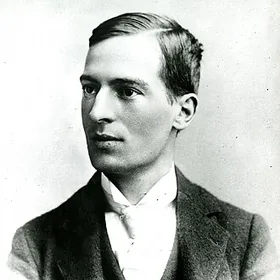
Harry Nelson Pillsbury
Champion of Hastings 1895 · US Champion (1897–1906)
Arriving in Hastings, England in 1895 as a virtually unknown 22-year-old from Massachusetts, Harry Nelson Pillsbury stunned the world by winning the strongest tournament of the 19th century ahead of Lasker, Steinitz, Chigorin, and Tarrasch - permanently revolutionizing how White attacks in the Queen’s Gambit Declined.
Portrait: Archival Portrait · Public domain
Interactive Demonstration
Pillsbury's Hastings 1895 Breakthrough (1895)
Harry Nelson Pillsbury vs. Siegbert Tarrasch · Hastings International Congress, United Kingdom · ECO D53 (1-0)
Strategic Portrait
Playing Style & Contribution
Ferocious Queen’s Gambit Declined attacks (Ne5 + f4) and legendary memory feats.
Verified Career Milestones
- 1895: First place at Hastings, England (+15 -3 =3), defeating Tarrasch, Steinitz, and Schlechter.
- 1897: Won the United States Chess Championship.
- 1900: Played 20 simultaneous blindfold games in Philadelphia, a world record of the era.
Practical Application
Lessons You Can Apply Today
- In the Queen’s Gambit Declined, anchoring a knight on e5 supported by f4 creates an overwhelming kingside attack.
- Counter an opponent’s queenside pawn majority with rapid kingside mobilization.
- Never be intimidated by higher-rated reputations - principled classical moves speak for themselves.
Essential Reading
Pillsbury's Chess Career - Philip W. Sergeant & W. H. Watts (1922)
Dover Publications · ISBN 0486215431
Purchase Book on AmazonSignature Openings Studied by Harry Nelson Pillsbury
Contemporaries & Era Peers
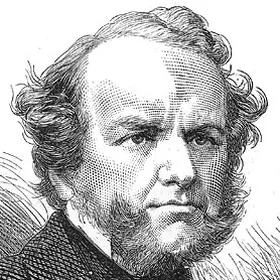
Howard Staunton
Solid positional planning, flank control with 1. c4, and foundational English opening scholarship.
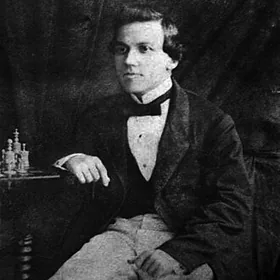
Paul Morphy
Rapid piece development, open central files, and decisive sacrifices against uncastled kings.
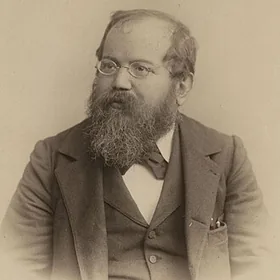
Wilhelm Steinitz
Architect of modern positional theory: small advantages, sound pawn structure, and resilient defense.