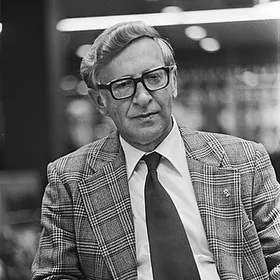
Vasily Smyslov
7th World Chess Champion (1957–1958) · Three-Time World Title Challenger
Also an accomplished operatic baritone who auditioned for the Bolshoi Theatre, Vasily Smyslov approached chess with the balance and lucidity of chamber music. After winning the celebrated 1953 Zurich Candidates Tournament and contesting three World Championship matches against Mikhail Botvinnik (capturing the crown in 1957), Smyslov remained elite into his sixties, reaching the 1984 Candidates Final at age 63. His 1945 Moscow victory over Rudakovsky remains one of the clearest positional textbooks ever played.
Portrait: Koen Suyk / Anefo · CC0
Interactive Demonstration
Smyslov's Textbook Outpost on d5 (1945)
Vasily Smyslov vs. Iosif Rudakovsky · 14th USSR Championship, Moscow · ECO B84 (1-0)
Strategic Portrait
Playing Style & Contribution
Pure piece harmony, crystal-clear central outposts, effortless rook endgames, and profound positional intuition.
Verified Career Milestones
- 1945: Produced the textbook d5-outpost masterpiece against Rudakovsky in Moscow.
- 1953: Won the legendary Zurich Candidates Tournament two full points ahead of the field.
- 1957: Defeated Mikhail Botvinnik (+6 -3 =13) to become the 7th World Chess Champion.
- 1984: Reached the Candidates Final against Garry Kasparov at age 63, an unmatched feat of longevity.
Practical Application
Lessons You Can Apply Today
- When your opponent leaves a permanent central hole (like d5 in Smyslov–Rudakovsky 1945), trade off every enemy minor piece guarding that square before planting your knight.
- Seek natural harmony: every piece should support its neighbors without getting in their way.
- Master rook and minor-piece endgames - Smyslov composed dozens of classic endgame studies himself.
Essential Reading
Smyslov's Best Games of Chess - Vasily Smyslov
Hardinge Simpole · ISBN 184382115X
Purchase Book on AmazonSignature Openings Studied by Vasily Smyslov
Contemporaries & Era Peers
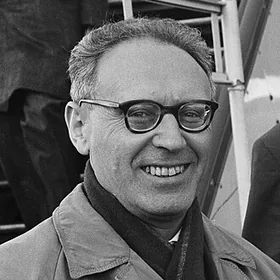
Mikhail Botvinnik
Scientific preparation, iron logic, deep opening analysis, and pioneering computer chess research.
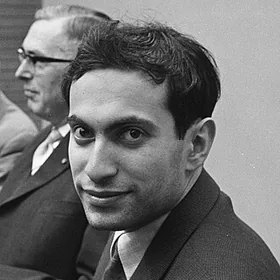
Mikhail Tal
Intuitive sacrifices, dazzling piece coordination, and fearless battle for the initiative.
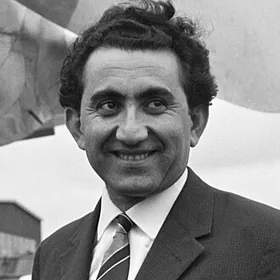
Tigran Petrosian
Impenetrable prophylaxis, positional exchange sacrifices, and uncanny danger sense.