Slav Defense
1. d4 d5 2. c4 c6 3. Nf3 Nf6 4. Nc3 dxc4
Black reinforces d5 with c6 instead of e6, keeping the c8-bishop unobstructed and preparing dynamic counterplay around the c4 square.
Interactive Demonstration
D10 · Slav Defense
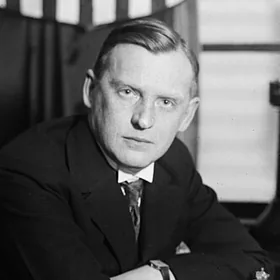
Origin: Systematized in the 1920s–1930s by Alapin, Alekhine, and Euwe; mainstay of modern title matches
White’s Compass
White’s Strategic Plan
Recover the c4 pawn cleanly with a4 and e3, then fight for a strong central majority with e4.
Principal Named Variations
- Main Line Slav (4...dxc4 5. a4 Bf5)
- Schlechter Slav (4...g6)
- Exchange Slav (3. cxd5 cxd5)
- Chameleon / Chebanenko Slav (4...a6)
Black’s Counterplay
Black’s Strategic Plan
Develop Bf5 before playing e6, establish a rock-solid central fortress, and challenge White with c5 or e5.
Common Traps & Mistakes to Avoid
- Trying to hold the c4 pawn with ...b5? before neutralizing White’s a4 break.
- Allowing White’s e3–e4 central expansion uncontested.
Professor’s Move-by-Move Walkthrough
Why Every Move Is Played (D10)
- 1. d4 - 1. d4 stakes a protected central pawn on d4, guarded directly by the queen, and opens the dark-squared bishop’s diagonal.
- 1... d5 - 1... d5 strikes directly at the center, refusing to let the opponent build an unchallenged pawn duo.
- 2. c4 - 2. c4 attacks Black’s central d5 outpost from the flank to expand White’s central influence.
- 2... c6 - 2... c6 prepares to support d5 solidly while keeping Black’s light-squared bishop unobstructed.
- 3. Nf3 - 3. Nf3 develops the kingside knight to its ideal central post, guarding key central squares and preparing castling.
- 3... Nf6 - 3... Nf6 develops the kingside knight to its ideal central post, guarding key central squares and preparing castling.
- 4. Nc3 - 4. Nc3 brings the queenside knight into active battle over the central d4/e5 complex.
- 4... dxc4 - 4... dxc4 resolves central tension by capturing, opening key files and diagonals for active piece play.
Historical Provenance & Grandmaster Practitioners
Origins & Famous Exponents
Systematized in the 1920s–1930s by Alapin, Alekhine, and Euwe; mainstay of modern title matches


Verified Repertoire Reference
Fundamental Chess Openings - GM Paul van der Sterren
Gambit Publications · ISBN 1906454132
Purchase Book on AmazonVerified Historic Master Games in the Slav Defense
Anand's Evergreen of Wijk aan Zee
Levon Aronian vs. Viswanathan Anand
Irina Krush vs. Abrahamyan - Saint Louis
Irina Krush vs. Tatev Abrahamyan
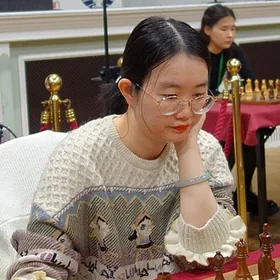
Tan Zhongyi’s Tehran Championship Tiebreak
Tan Zhongyi vs. Anna Muzychuk
Related Intermediate Openings
Ruy Lopez (Spanish Opening)
e4 e5 Nf3 Nc6 Bb5 a6 Ba4 Nf6 O-O
King's Gambit
e4 e5 f4 exf4 Nf3
Sicilian Defense (Najdorf Variation)
e4 c5 Nf3 d6 d4 cxd4 Nxd4 Nf6 Nc3 a6