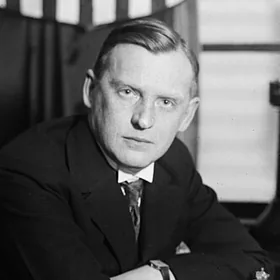
Alexander Alekhine
4th World Chess Champion (1927–1935, 1937–1946)
Born in Moscow and later a French citizen, Alexander Alekhine defeated Capablanca in their epic 34-game 1927 Buenos Aires match and remains the only World Champion to hold the title until his death. He fused Steinitzian structural mastery with relentless tactical imagination, exemplified by his 1925 Baden-Baden combination against Richard Réti.
Portrait: George Grantham Bain Collection (Library of Congress) · Public domain
Interactive Demonstration
Alekhine's Positional Combination (1925)
Richard Réti vs. Alexander Alekhine · Baden-Baden International · ECO A00 (0-1)
Strategic Portrait
Playing Style & Contribution
Deeply calculated dynamic combinations grown directly out of subtle positional pressure.
Verified Career Milestones
- 1925: Won Baden-Baden unbeaten, producing his famous positional combination against Réti.
- 1927: Defeated Capablanca in Buenos Aires (+6 -3 =25) to claim the world crown.
- 1930–1931: Dominant first-place victories at San Remo (+13 -0 =2) and Bled.
Practical Application
Lessons You Can Apply Today
- Look for tactical combinations as the natural climax of superior piece placement.
- Coordinate all three major pieces along open files, 'Alekhine's Gun' (two rooks backed by a queen).
- Analyze your own games honestly; Alekhine's annotated collections set the standard for self-criticism.
Essential Reading
My Best Games of Chess 1908-1937 - Alexander Alekhine
Dover Publications · ISBN 0486249417
Purchase Book on AmazonSignature Openings Studied by Alexander Alekhine
Contemporaries & Era Peers
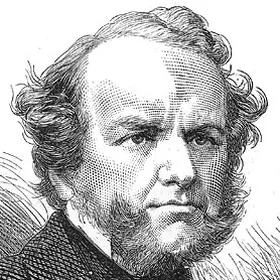
Howard Staunton
Solid positional planning, flank control with 1. c4, and foundational English opening scholarship.
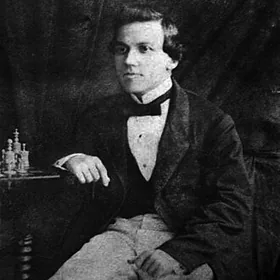
Paul Morphy
Rapid piece development, open central files, and decisive sacrifices against uncastled kings.
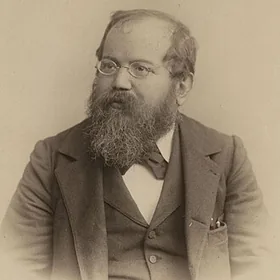
Wilhelm Steinitz
Architect of modern positional theory: small advantages, sound pawn structure, and resilient defense.