
Demis Hassabis (DeepMind & AlphaZero)
2024 Nobel Laureate, DeepMind Co-Founder & Architect of AlphaZero
A former British chess prodigy ranked world number two under age fourteen, Demis Hassabis co-founded DeepMind in London and led the team (with David Silver and colleagues) that created AlphaZero in 2017. Learning chess solely through self-play without human games, AlphaZero revolutionized modern grandmaster theory with long-term positional sacrifices and relentless h-pawn attacks. Hassabis was awarded the 2024 Nobel Prize in Chemistry for AlphaFold.
Portrait: John Sears · CC BY-SA 4.0
Interactive Demonstration
Deep Blue vs. Kasparov - Historic Turning Point (1997)
Deep Blue (IBM) vs. Garry Kasparov · IBM Match, New York (Game 6) · ECO B17 (1-0)
Strategic Portrait
Playing Style & Contribution
Self-play reinforcement learning, dynamic space sacrifices, and fearless flank-pawn attacks (h4/a4).
Verified Career Milestones
- 1990: Achieved Chess Master strength at age thirteen, ranked second in the world for players under fourteen.
- 2017: DeepMind’s AlphaZero learned chess from scratch in hours via neural-network MCTS and defeated Stockfish 8 in a 100-game match.
- 2024: Awarded the Nobel Prize in Chemistry for AlphaFold, applying AI breakthroughs pioneered in games like chess and Go to science.
Practical Application
Lessons You Can Apply Today
- Value piece activity and long-term king restriction even at the cost of a pawn, the signature positional lesson of AlphaZero’s games.
- Consider early flank-pawn pushes (h4–h5 or a4–a5) to gain space and weaken an opponent’s fianchettoed or castled shelter.
- Never be chained to rigid material dogmas: a paralyzed army can lose even while ahead in pawns or an exchange.
Essential Reading
Game Changer: AlphaZero’s Groundbreaking Chess Strategies and the Promise of AI - Matthew Sadler & Natasha Regan
New In Chess · ISBN 9056918184
Purchase Book on AmazonSignature Openings Studied by Demis Hassabis (DeepMind & AlphaZero)
Contemporaries & Era Peers
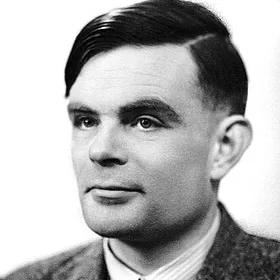
Alan Turing
Minimax tree search, positional heuristics, and the foundational idea of quiescence evaluation.
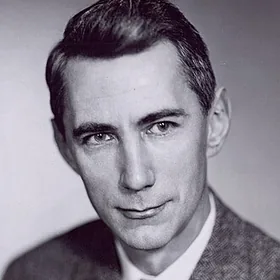
Claude Shannon
Evaluation functions, minimax search, and Type-A brute-force vs. Type-B selective search architecture.
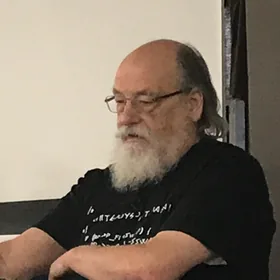
Ken Thompson
Dedicated move-generation hardware, transposition tables, and complete retrograde endgame tablebases.