Queen's Indian Defense
1. d4 Nf6 2. c4 e6 3. Nf3 b6 4. g3 Bb7 5. Bg2
When White avoids the Nimzo-Indian pin with Nf3, Black fianchettoes the light-squared bishop on b7 to contest the e4 and d5 squares from afar.
Interactive Demonstration
E12 · Queen's Indian Defense
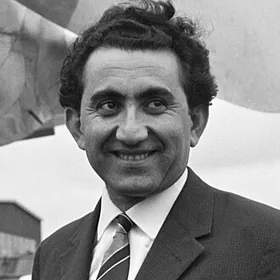
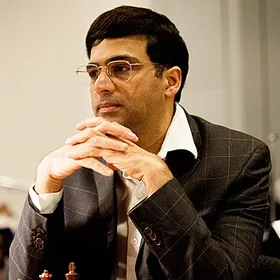
Origin: Pioneered by Nimzowitsch and Bogoljubov in the 1920s; favored by Petrosian, Karpov, and Xu Yuhua
White’s Compass
White’s Strategic Plan
Build a central advantage with d5 or e4 while blunting Black's b7-bishop with Nc3 and Qc2.
Principal Named Variations
- Fianchetto Main Line (4. g3 Bb7 5. Bg2)
- Petrosian System (4. a3)
- 4. Nc3 Bb4 Hybrid
- 4. e3 Classical Setup
Black’s Counterplay
Black’s Strategic Plan
Control e4 with Bb7, Ne4, and f5 or c5, aiming for harmonious, flexible piece coordination.
Common Traps & Mistakes to Avoid
- Allowing White to play e4 uncontested, which gives White a sweeping central space advantage.
- Forgetting the b7-bishop’s diagonal control of e4 when deciding whether to play ...d5 or ...c5.
Professor’s Move-by-Move Walkthrough
Why Every Move Is Played (E12)
- 1. d4 - 1. d4 stakes a protected central pawn on d4, guarded directly by the queen, and opens the dark-squared bishop’s diagonal.
- 1... Nf6 - 1... Nf6 develops the kingside knight to its ideal central post, guarding key central squares and preparing castling.
- 2. c4 - 2. c4 attacks Black’s central d5 outpost from the flank to expand White’s central influence.
- 2... e6 - 2... e6 reinforces the d5 square securely and opens the f8-bishop’s path toward active development.
- 3. Nf3 - 3. Nf3 develops the kingside knight to its ideal central post, guarding key central squares and preparing castling.
- 3... b6 - 3... b6 prepares to fianchetto the light-squared bishop on b7 to contest the central e4 square from afar.
- 4. g3 - 4. g3 prepares the kingside fianchetto so the bishop will exert pressure across the entire central diagonal.
- 4... Bb7 - 4... Bb7 completes the queenside fianchetto, aiming straight down the a8–h1 diagonal.
- 5. Bg2 - 5. Bg2 completes the kingside fianchetto, turning the bishop into a long-range scalpel down the main diagonal.
Historical Provenance & Grandmaster Practitioners
Origins & Famous Exponents
Pioneered by Nimzowitsch and Bogoljubov in the 1920s; favored by Petrosian, Karpov, and Xu Yuhua


Verified Repertoire Reference
Fundamental Chess Openings - GM Paul van der Sterren
Gambit Publications · ISBN 1906454132
Purchase Book on AmazonVerified Historic Master Games in the Queen's Indian Defense
The Immortal Zugzwang Game
Friedrich Sämisch vs. Aron Nimzowitsch
Paul Keres's Classical Positional Harmony
Paul Keres vs. Max Euwe
Related Advanced Openings
Ruy Lopez (Berlin Defense)
e4 e5 Nf3 Nc6 Bb5 Nf6 O-O Nxe4 d4 Nd6 Bxc6 dxc6 dxe5 Nf5 Qxd8+ Kxd8
Nimzo-Indian Defense
d4 Nf6 c4 e6 Nc3 Bb4
Grünfeld Defense
d4 Nf6 c4 g6 Nc3 d5 cxd5 Nxd5 e4 Nxc3 bxc3 Bg7